Hiking →
A short trail can still have ladders, steep steps or a streambed. Find a landscape you like, then read the actual route before deciding it fits your group.
Choose what you want to do, then find a park and a route that fit.
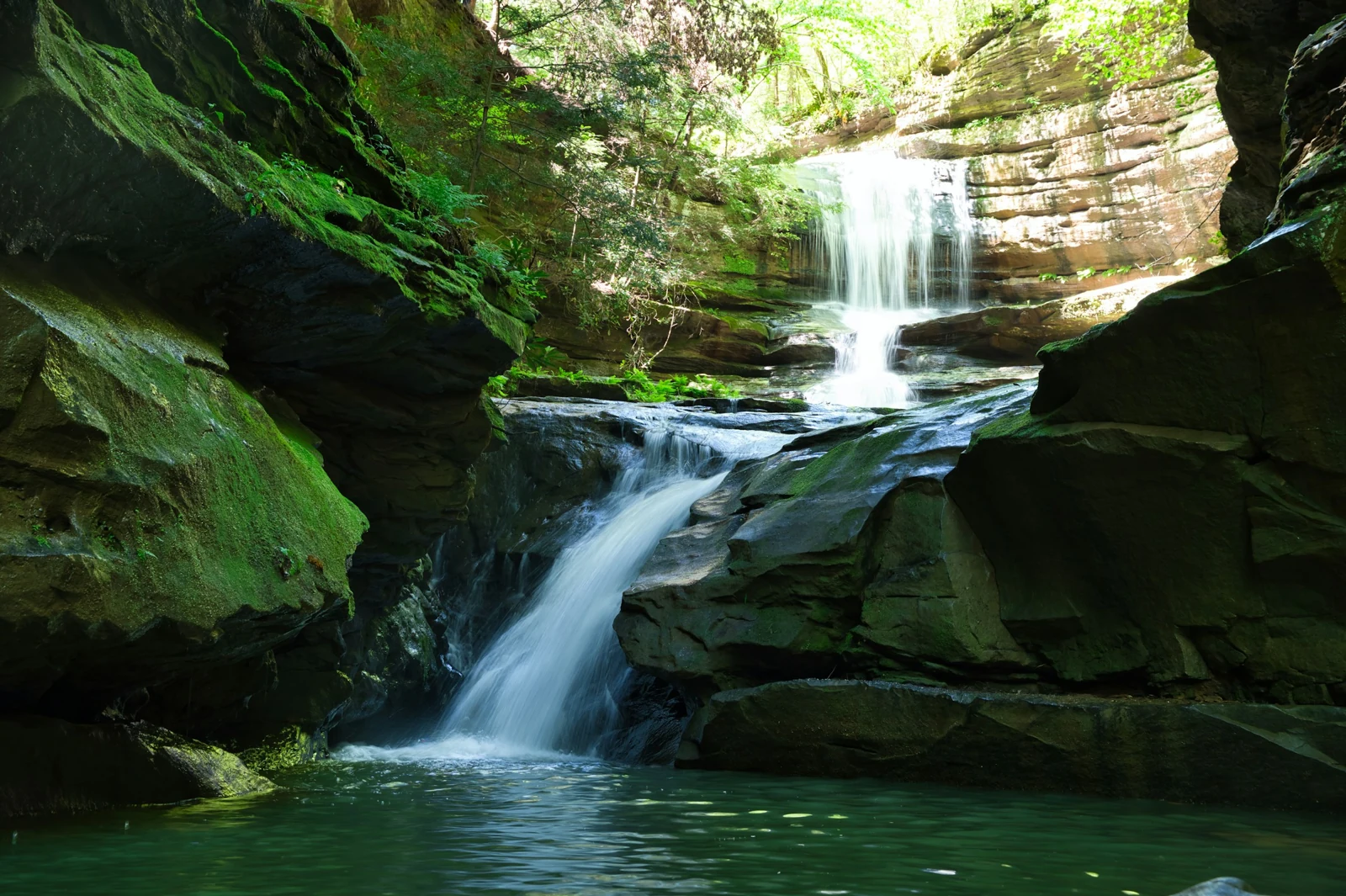
A short trail can still have ladders, steep steps or a streambed. Find a landscape you like, then read the actual route before deciding it fits your group.
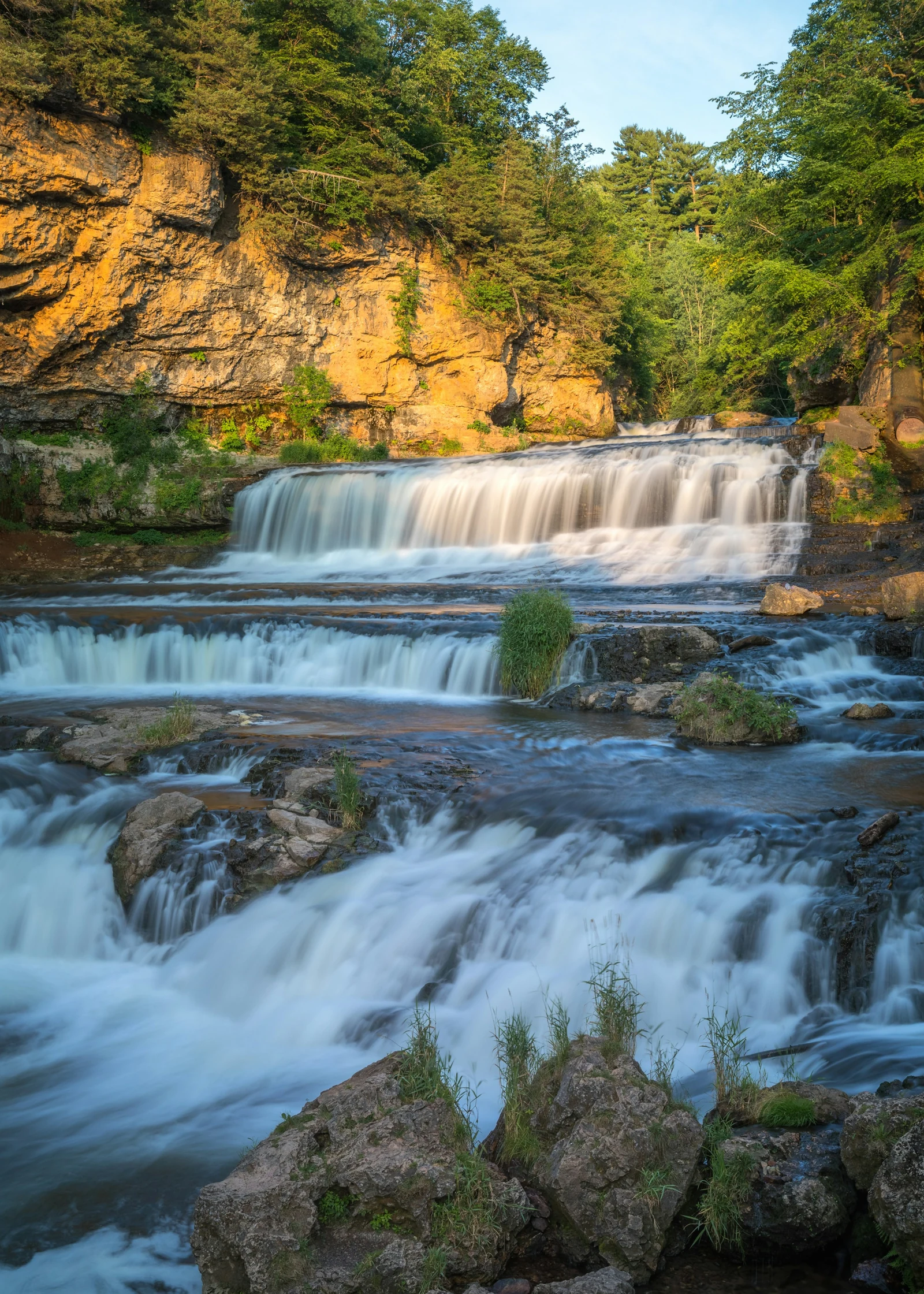
Flow, footing and access are separate questions. Choose a waterfall for its setting, then check whether the route and present conditions support the visit you want.
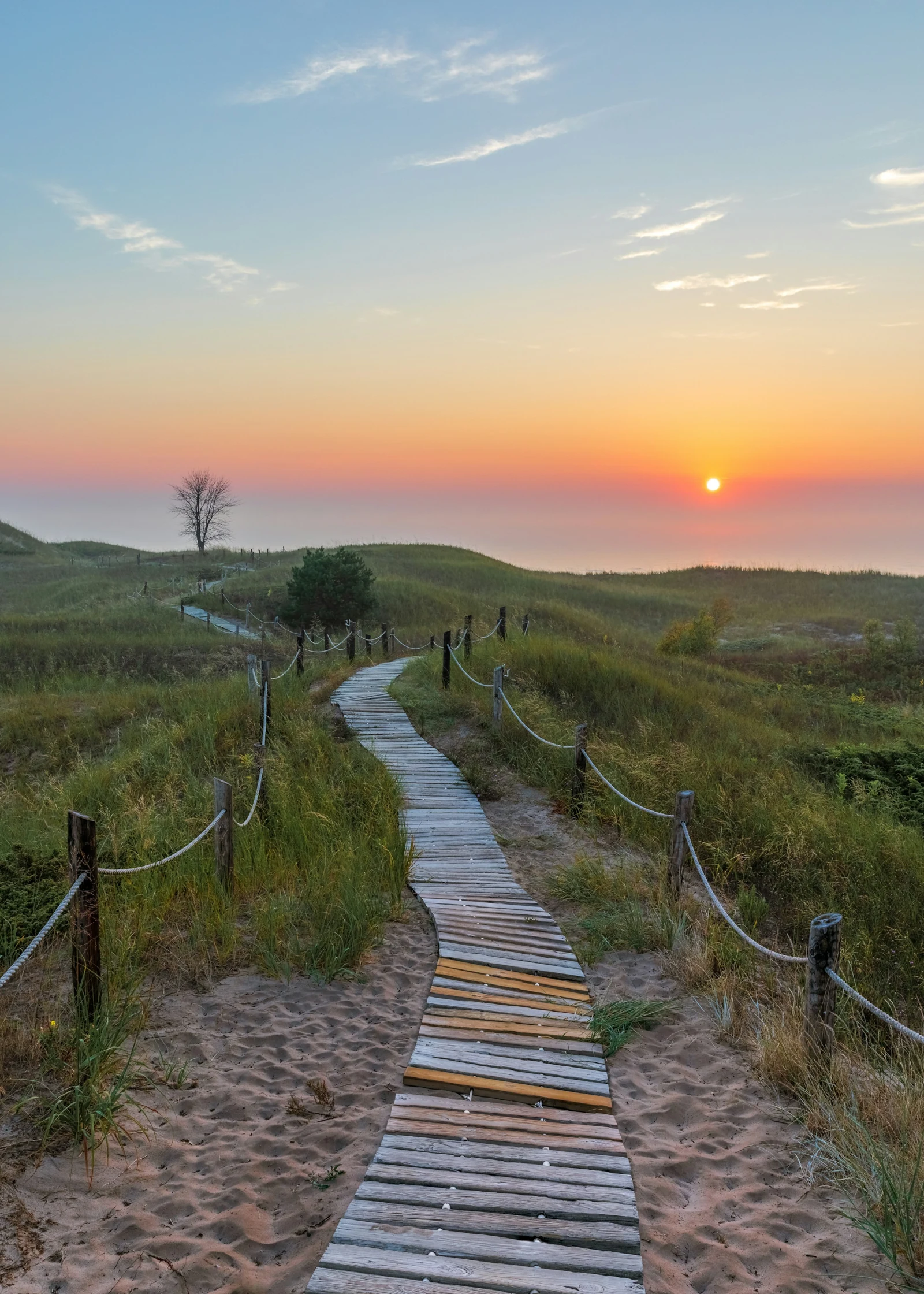
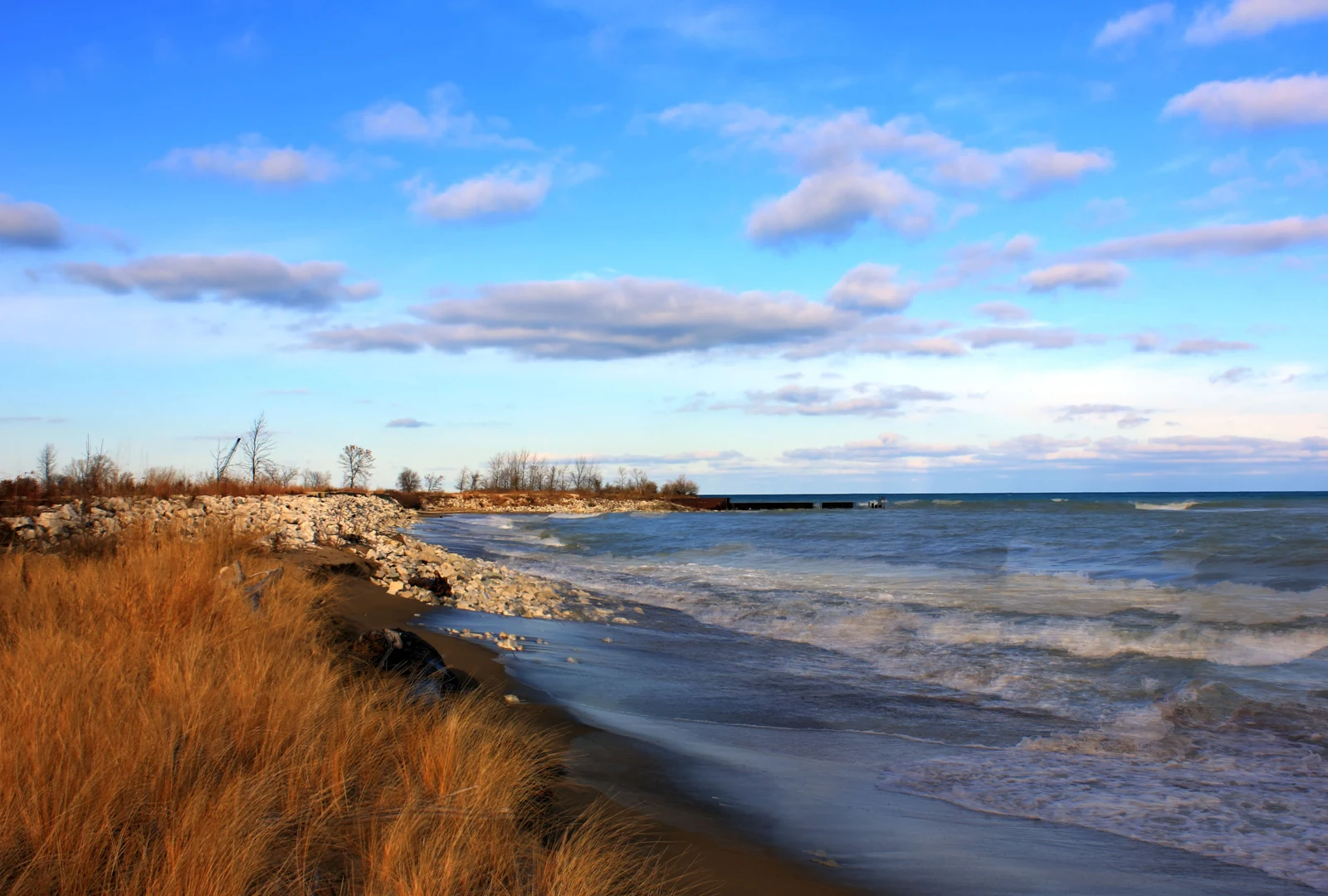
A Great Lake shore can be a beach day, a dunes walk or a quiet habitat visit. Choose the activity first; each needs its own conditions and access check.
Choose between sitting beside the water, walking above it and going out on it. Those three plans may use different entrances, equipment and booking arrangements.
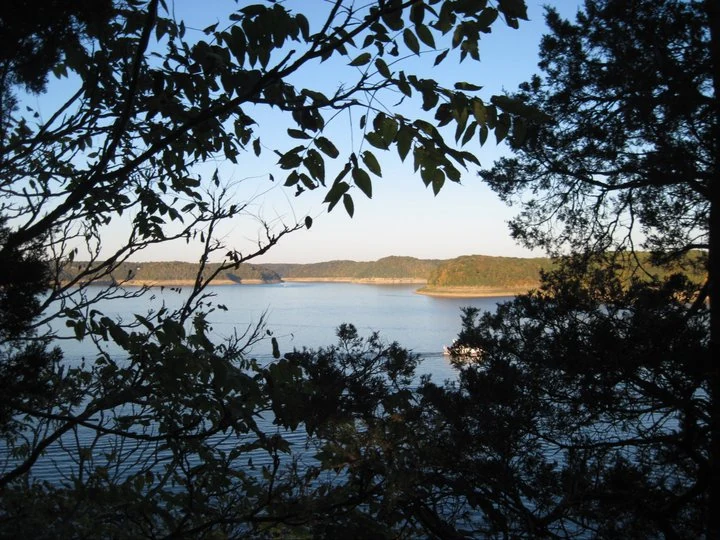
“Camping available” is the start of a question. Choose the type of site, how you reach it and what services it has before filling the weekend with activities.
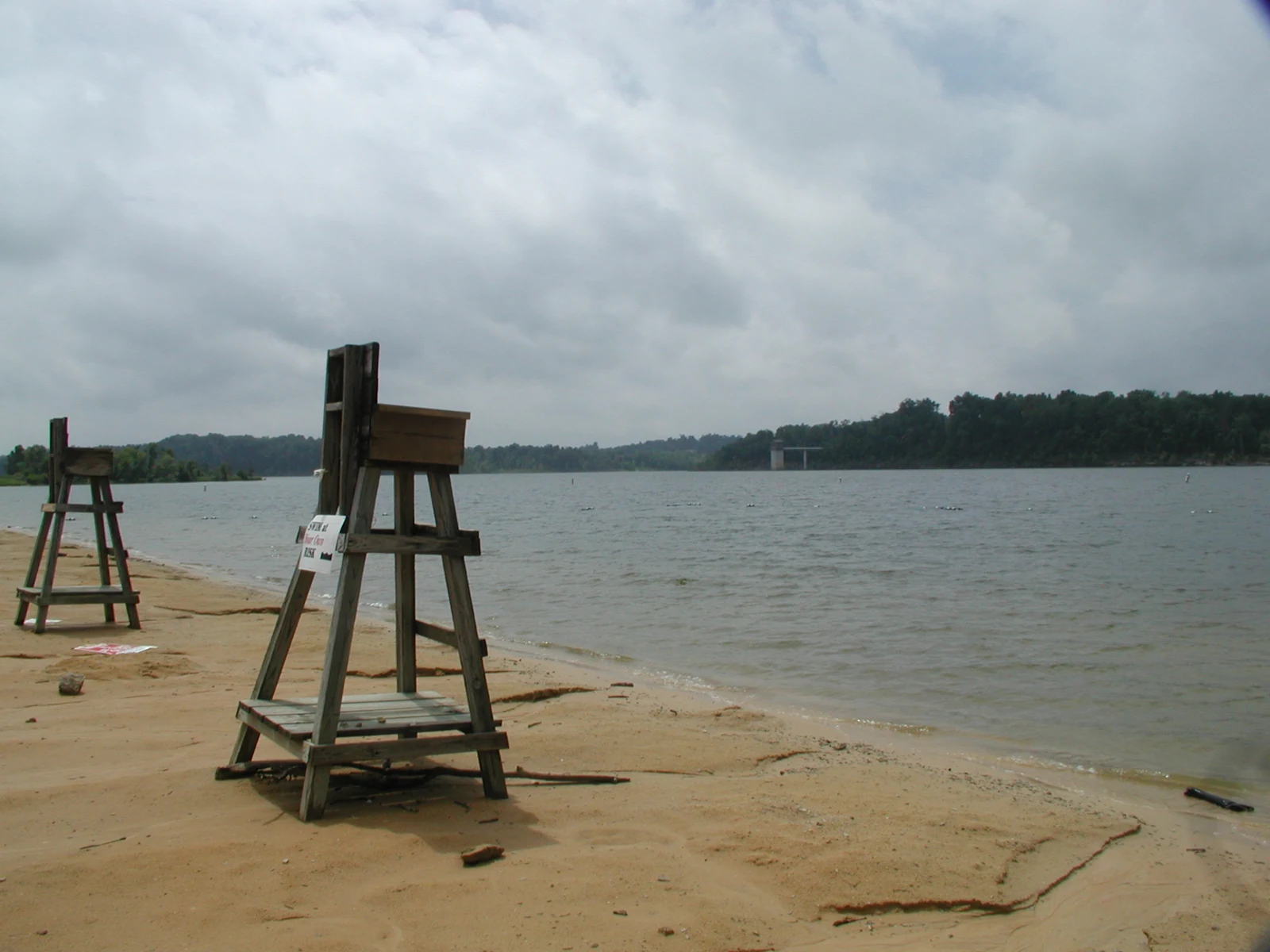
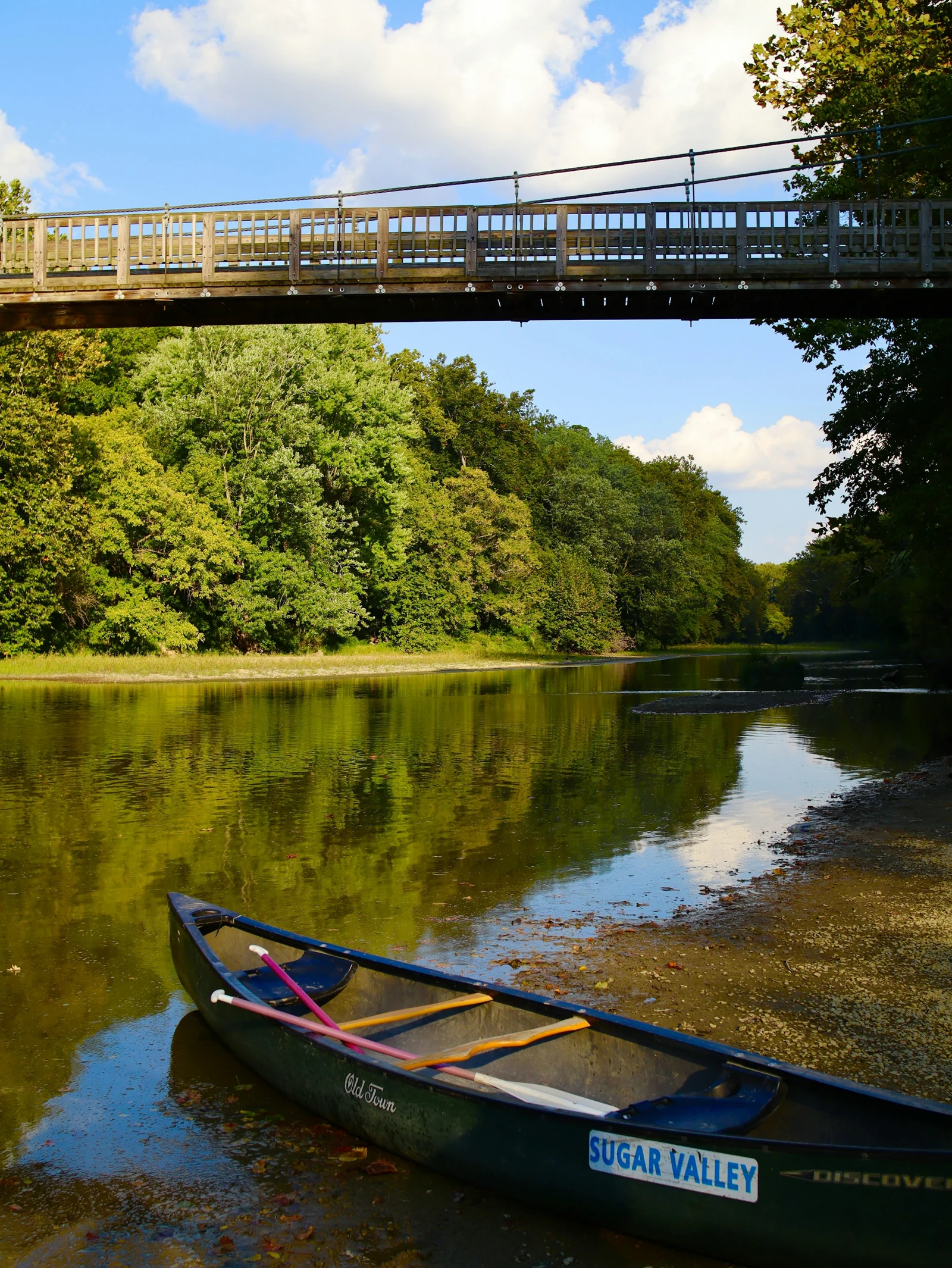
Start with the exact water body, launch and return plan. A park with a lake is not automatically a suitable outing for every boat, paddler or weather forecast.
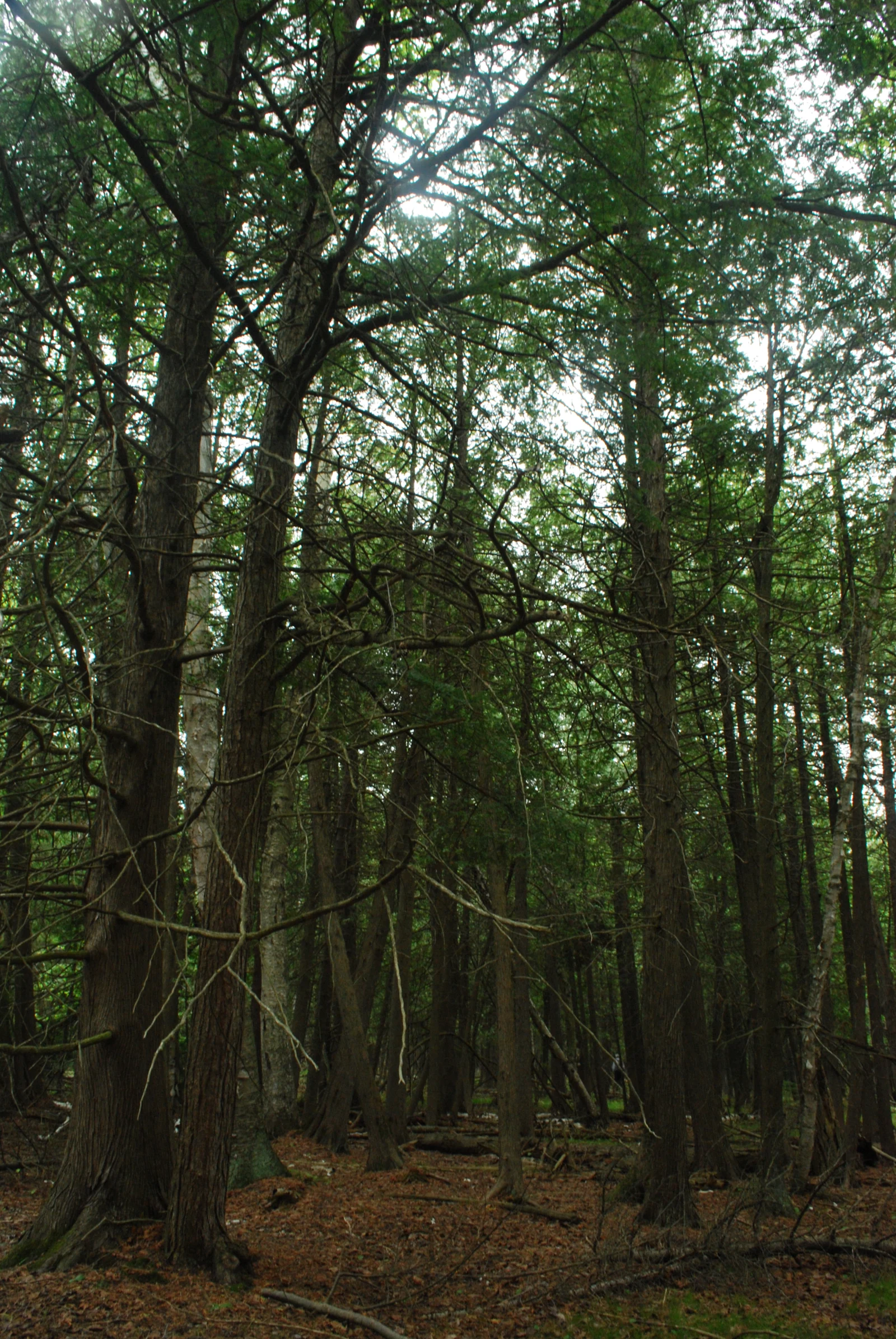
A park can offer cycling without allowing bicycles on every path. Choose the permitted route, surface and access before planning a combined ride and walk.
Start with a habitat rather than a promised sighting. Shore, marsh, oak woodland and dune edges reward different kinds of slow observation.